


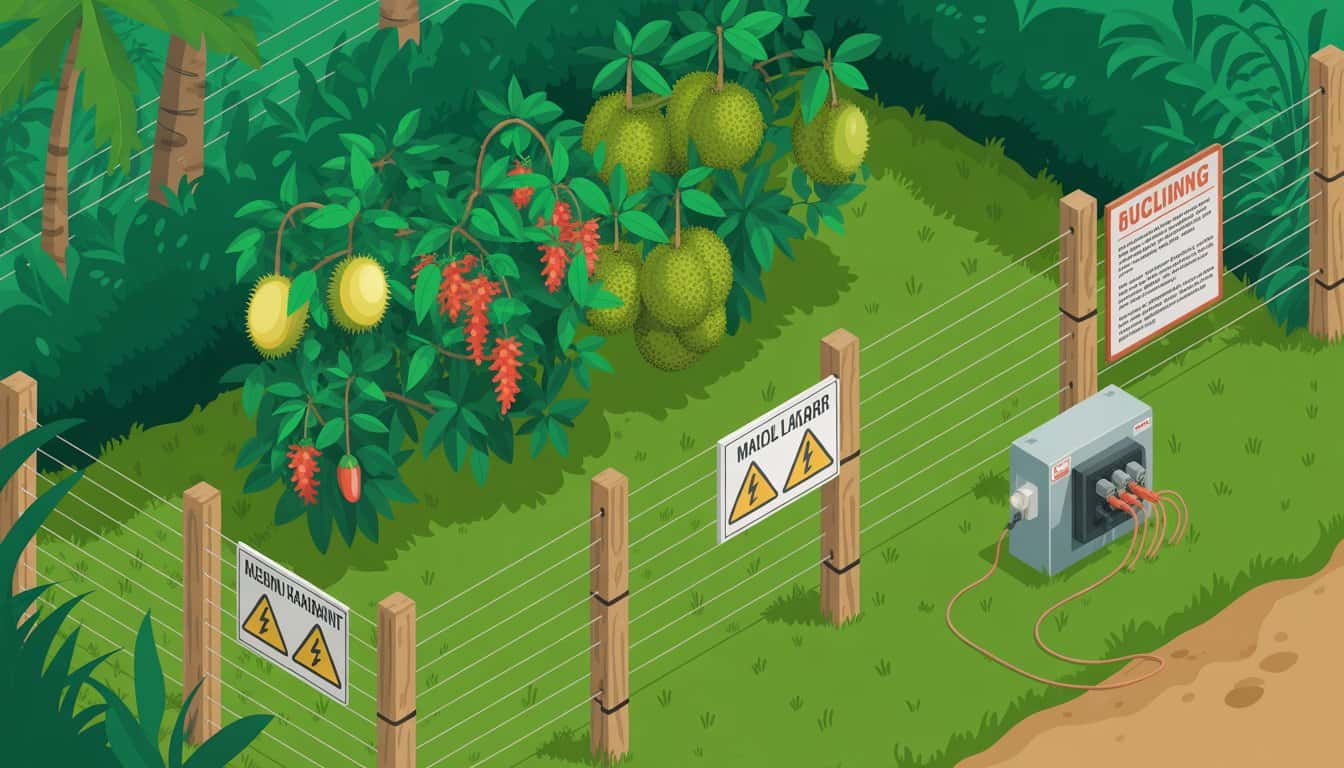
Understanding Pagar Elektrik Kebun: What You Need to Know
If you are managing a plantation or any sizeable garden, you may have come across the need to install a pagar elektrik kebun, or an electric fence. This type of fencing is crucial for protecting your crops and property from intruders, pests, and animals. Unlike traditional fencing, electric fencing offers an effective deterrent by delivering a safe but unpleasant shock, discouraging animals and humans from breaching your boundary.
Before diving into installation, it is important to understand the essentials of how electric fences work, the types available, and the benefits they provide. This ensures you make an informed decision tailored to your garden or plantation needs. Terms and Conditions apply when purchasing fencing equipment from most suppliers, so always review them carefully.
Choosing the Right Electric Fence for Your Garden
Selecting the appropriate electric fence involves assessing your property size, type of animals you want to deter, and the general environment around your kebun. There are various types of electric fences, including single wire, multi-wire, and portable options, each with unique features and levels of power.
Consider the voltage output and power source. Some fences operate on mains electricity, while others rely on solar power or batteries, which can be more practical for remote locations with limited access to electrical outlets. Resources like mauchopt.net can help you explore different models and reviews to find what best suits your needs. For more gardening insights, Explore Our Blog for complementary ideas on property protection.
Step-by-Step Installation Tips for Pagar Elektrik Kebun
Preparation and Planning
Start by mapping out the perimeter of your garden or plantation. Clear the area of any obstructions, such as bushes or debris, that could interfere with the electric fencing. Mark the points where the posts will be installed to ensure the fence will be taut and effective.
Setting Up the Fence Posts
Use sturdy materials for your posts, such as treated wood or metal, and space them consistently for stability. Posts should be firmly anchored in the ground to maintain the tension of the wires and withstand weather conditions.
Attaching the Electric Wires
Attach the insulated electric wires to the posts using insulators to prevent grounding and power loss. Make sure the wires are evenly spaced, especially for multi-wire fences, and kept at a safe height for the animals or intruders you intend to deter.
Connecting the Energizer
The energizer is the heart of your electric fence. Connect it according to the manufacturer’s instructions. Verify that your ground rods are properly installed to ensure the fence functions correctly and safely. Always test the fence’s voltage after installation.
Maintenance Tips to Keep Your Electric Fence Efficient
Regular maintenance is key to keeping your pagar elektrik kebun effective. Periodically inspect the fence for any damage, such as broken wires or loose connections, and repair them promptly. Vegetation touching the wires can drain power from the fence, so trimming plants regularly is necessary.
Also, check your power source regularly—replace batteries or ensure solar panels are clean and functional. These simple maintenance steps can extend the life of your electric fence and maintain its reliability.
Ensuring Safety While Using Electric Fencing
While electric fences use low currents meant to be deterrents rather than harmful, safety precautions are essential. Always install warning signs around the perimeter to alert visitors of the electric fence. Ensure children and uninformed individuals understand the fence’s presence and purpose.
Wear protective gloves when handling live wires, and never attempt repairs without turning off the power source. Following these safety guidelines will help you utilize your pagar elektrik kebun effectively without risking injury.



Leave a comment